The Role of Timber Mouldings in Interior Documentation

Timber mouldings are a critical component of interior architecture, not simply decorative finishes. For architects, interior designers, and builders, they are a practical tool for resolving junctions, defining proportion, and maintaining consistency across documentation and construction.
When specified early and with intent, skirtings, architraves, and wall panelling contribute to clearer set-outs, cleaner transitions between materials, and a more cohesive built outcome. They also protect vulnerable surfaces and help ensure that detailing translates accurately from drawings to site.
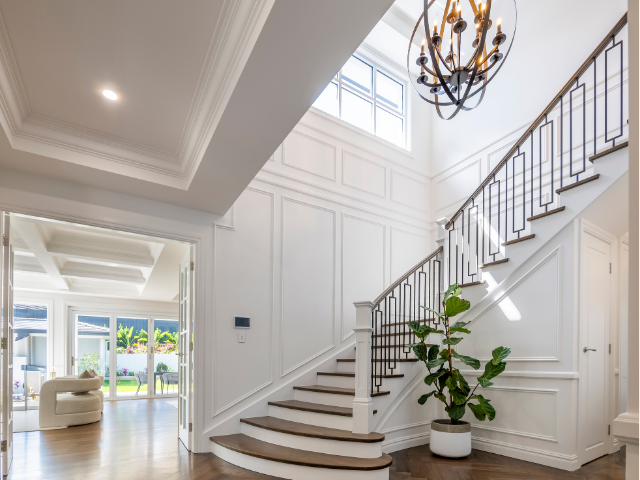
Why Mouldings Matter in Interior Architecture
Mouldings influence how a space is read and experienced. They introduce depth, establish visual rhythm, and bring clarity to junctions that might otherwise feel unresolved.
Their value sits in both performance and design:
• Resolve junctions between materials and surfaces
• Define proportion across walls, openings, and volumes
• Support durability in high-traffic areas
• Create visual continuity across rooms and joinery
When aligned with the architectural intent, mouldings become part of the design language rather than an applied layer.
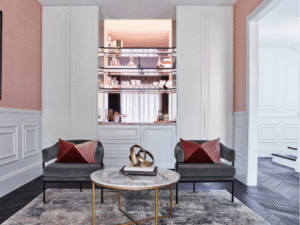
Image credit: Interior Design: Studio Trio, Photography: Maree Homer
Common Types of Timber Mouldings & Their Roles
Skirting Boards
Installed at the wall–floor junction, skirtings protect walls from impact and wear and provide a grounded visual base to a room.
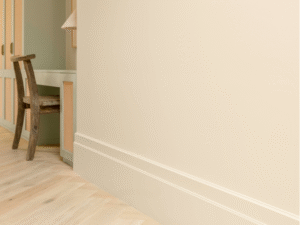
Image credit: Interior Design: Three Birds Renovations
Architraves
Used to frame doors and windows, architraves conceal construction gaps and define openings, contributing to the rhythm and hierarchy of a space.
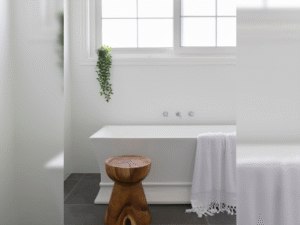
Image credit: Interior Design: Studio Black, Photography: Adam McGrath
Wall Panelling & Battens
Applied to full walls or feature areas, panelling introduces texture, scale and architectural interest.
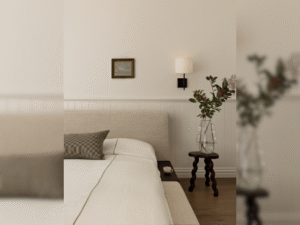
Image credit: Interior Design: Bone Made, Styling: Holly Irvine, Photography: Nat Spada
Chair Rails & Picture Rails
Traditionally decorative, these profiles are now used strategically to break wall proportions, create visual alignment, or support layered material palettes.
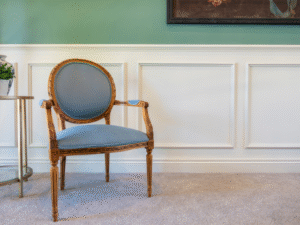
Image credit: Interior Design: I For Style
Selecting the Right Profile
Profile selection is driven by proportion, context, and design intent rather than decoration.
Interior Style Alignment
• Contemporary: square set, minimal profiles, shadowline details
• Transitional: restrained curves with subtle detailing
• Classic or heritage: deeper, more articulated profiles
Ceiling Height Considerations
• Lower ceilings: slimmer profiles to avoid visual compression
• Higher ceilings: taller, deeper profiles to maintain balance
A well-proportioned, simple profile will typically deliver a more durable and timeless result than an overly complex alternative.
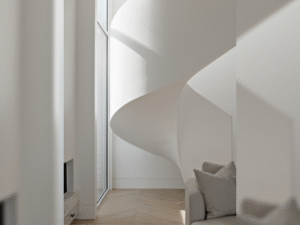
Image credit: Interior Design: AJL Studio, Build: Saaoud Constructions, Photography: Maxwell Chew
Material Performance & Finish
Beyond aesthetics, performance is critical to long-term project outcomes.
Key considerations:
• Stability to minimise movement, joint visibility, and paint cracking
• Consistency in machining for clean lines and accurate installation
• Suitability for intended finishes, including paint-grade applications
• Durability in high-traffic or impact-prone areas
Well-manufactured mouldings support higher quality finishes and reduce site-related issues during installation.
Where Mouldings Impact Documentation
Mouldings intersect with multiple areas of project documentation and coordination, including:
• Wall set-outs and lining thicknesses
• Door and window schedules
• Finishes schedules
• Joinery interfaces and transitions
• Installation sequencing on site
Clear specification helps ensure alignment across trades and reduces the risk of inconsistencies during construction.
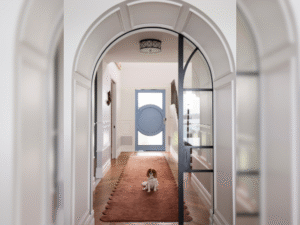
Image credit: Interior Design: EB Interiors Photography: Prue Ruscoe
Working with a Specialist Supplier
Collaborating with a dedicated mouldings manufacturer allows specifiers to resolve detailing earlier and more effectively. Support can include:
• Profile selection aligned to design intent
• Advice on proportion, scale, and application
• Assistance with documentation and detailing
• Guidance on installation and buildability
Early engagement helps ensure that selected profiles are both visually resolved and practical to deliver on site.
Learn More
Timber mouldings remain one of the most effective ways to elevate interior architecture through proportion, detail and durability. When specified with intent, they become an integral part of the design language rather than a decorative afterthought.
Explore technical guidance, request project-specific samples, or speak with a product specialist to align moulding profiles with your documentation
For more information visit: www.intrimmouldings.com.au