Specifying Skirtings & Architraves: Achieving Proportion, Clarity, and Consistency

Skirting boards and architraves are not finishing touches applied at the end of a project, they are part of the architectural framework that defines how an interior is read. These elements establish the horizontal and vertical datum lines, shaping proportion, rhythm, and clarity throughout a space.
When specified early, they help resolve transitions between materials, anchor wall planes, and ensure visual consistency across rooms and openings. For specifiers, the aim is to integrate these elements into the overall design language, supporting both visual intent and buildability.
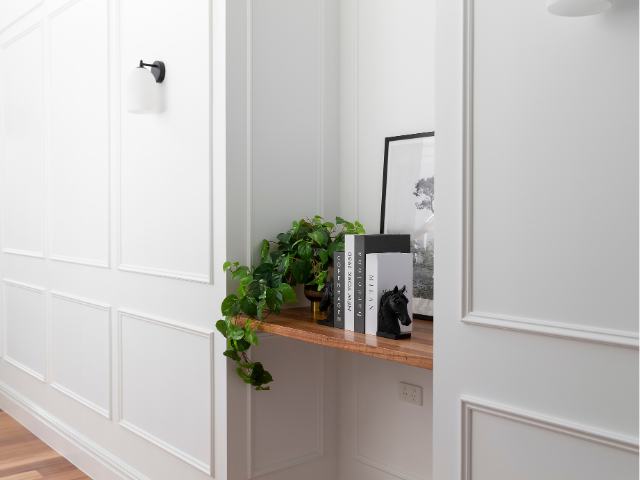
Image credit: Interior Design: Studio Black Interiors, Photography: Adam McGrath
Defining Architectural Linework
Skirtings and architraves contribute directly to how an interior is structured and perceived.
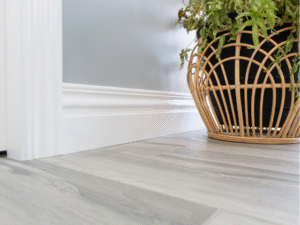
Skirting Boards
• Establish a horizontal datum at the wall to floor junction
• Protect wall linings from impact and wear
• Influence perceived wall height and room proportion
• Reinforce the overall interior style, from minimal to traditional
Architraves
• Define door and window openings within the wall plane
• Conceal construction tolerances at junctions
• Contribute to vertical rhythm and alignment across spaces
• Control how prominently openings read within the interior
Together, these elements create a continuous line system that underpins architectural clarity.
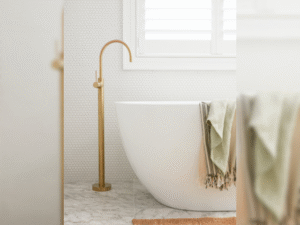
Image credit: Three Birds Renovations
Specifier’s tip: Align profile selection with the broader design intent. Minimal interiors may favour reduced or concealed detailing, such as Shadowline systems, while more traditional schemes rely on articulated profiles to reinforce character and hierarchy.
Proportion and Scale
Correct sizing is critical to achieving balanced interiors. Profiles that are undersized can appear unresolved, while oversized elements can dominate a space.
General sizing guidelines
Ceiling heights up to 2.7m:
• Architraves: 90mm
• Skirtings: 135 – 185mm
Ceiling heights 2.7 – 3.0m:
• Architraves: 115mm
• Skirtings: 230mm
Ceiling heights above 3.0m:
• Architraves: 115mm
• Skirtings: 285mm
These ranges should be adjusted to suit the architectural style. Contemporary interiors may adopt slimmer profiles, while heritage or formal spaces typically require greater depth and articulation.
Specifier’s tip: Test proportions in elevations or sections alongside door heights and ceiling levels. This helps confirm scale relationships before documentation is finalised.
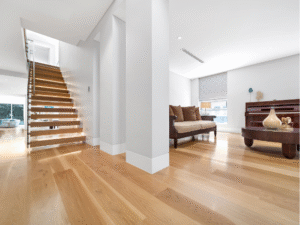
Image credit: Door and Haus
Material Performance and Durability
Material selection impacts both finish quality and long-term performance.
Key considerations:
• Stability to minimise movement and joint visibility
• Clean machining for consistent profiles and crisp edges
• Suitability for paint or stain finishes
• Durability in high-traffic or impact-prone areas
In residential and commercial applications, robust materials such as finger-jointed pine or solid timber provide improved consistency and finish outcomes. In areas exposed to moisture, appropriate material selection and finishing are critical to prevent swelling or degradation.
Specifier’s tip: Consider lifecycle performance, not just initial appearance. Higher quality mouldings reduce maintenance and improve long-term visual consistency.
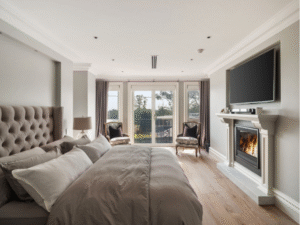
Image credit: JS Architects
Matching vs Mixing Profiles
Skirtings and architraves do not need to match, but they must relate.
Matching Profiles
• Creates a unified and consistent interior language
• Suitable for contemporary or formal applications
• Reinforces symmetry and visual order
Mixing Profiles
• Introduces hierarchy and variation
• Common in traditional or transitional interiors
• Allows different elements to carry different visual weight
The key is maintaining compatibility in scale, thickness, and profile language to ensure transitions are resolved.
Where profiles differ, elements such as skirting blocks can assist in managing junctions and maintaining continuity.
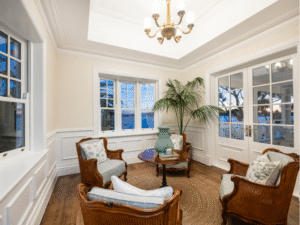
Image credit: Indah Island
Specifier’s tip: Ensure profile thicknesses align where elements meet. Poorly resolved transitions are highly visible once installed.
Integration with Documentation
Skirting and architrave specification intersects with multiple documentation areas and should be coordinated early.
Consider:
• Wall set-outs and lining thickness
• Door and window schedules
• Junction detailing and transitions
• Interface with joinery and cabinetry
Clear documentation of profile type, dimensions, and relationships reduces ambiguity during construction and supports consistent outcomes on site.
A More Resolved Interior Outcome
Well-specified skirtings and architraves contribute to interiors that are clear, proportionate, and durable. Whether matched or intentionally varied, these elements should support the architectural intent and resolve junctions with precision.
By addressing profile selection, scale, material performance, and coordination during design development, specifiers can avoid reactive detailing later in the process. The result is an interior where transitions are controlled, detailing is consistent, and the overall outcome feels considered and complete.
For more information visit: www.intrimmouldings.com.au