Bunker Bay resort approved after bushfire concerns addressed
A proposed boutique resort at Bunker Bay in Western Australia has secured approval following design revisions that addressed bushfire risk, despite earlier concerns over vegetation loss and visual impact.
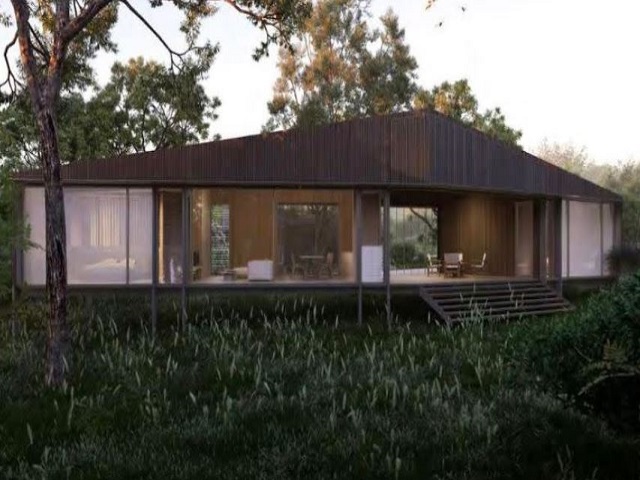
The $12 million ‘The Farm, Bunker Bay’ development, proposed by Farm Break Developments, will deliver a collection of two and three-bedroom chalets across a 26.5-hectare site off Cape Naturaliste Road.
GALLERY
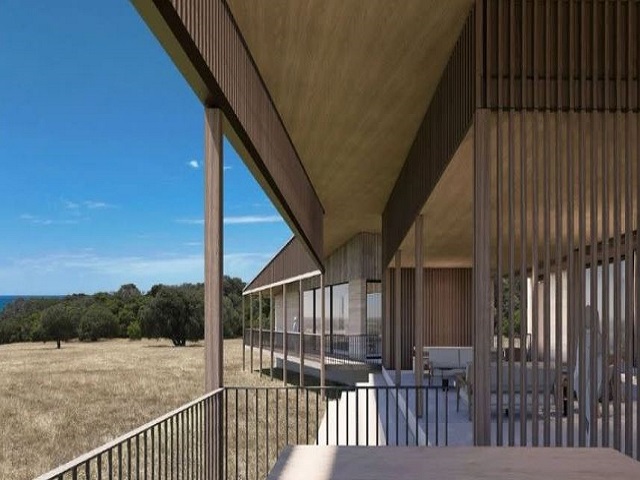
Designed by Fremantle-based Kerry Hill Architects, the project aims to introduce a low-impact accommodation offering within one of the state’s most environmentally sensitive coastal regions.
The proposal was initially deferred in July 2025 by the Regional Development Assessment Panel due to concerns surrounding bushfire safety. Revised plans presented in January included vegetation management across a 2.4-hectare portion of the site, with the removal of 13 trees from a total of 290. The changes were intended to improve defendable space and reduce fire risk.
A comprehensive report from the City of Busselton recommended refusal, citing concerns about vegetation loss and potential impacts on views, including sightlines from the base of Cape Naturaliste Lighthouse. However, planning representatives for the applicant argued the amendments significantly reduced bushfire exposure while maintaining the integrity of the landscape.
Environmental consultant Kirsten Knox noted that much of the vegetation proposed for management consisted of understorey growth, including weeds and grasses from the site’s former agricultural use. She added that impacts on distant views would be minimal and that any affected western ringtail possums could be safely relocated, drawing on established practices in southern Western Australia.
Bushfire consultant Gary McMahon, appearing for the City, ultimately acknowledged the revised scheme met safety requirements, emphasising that human life must take precedence over ecological considerations in high-risk contexts.
Panel chair Dale Page reinforced that achieving a perfect balance between environmental protection and bushfire compliance is rarely possible. She indicated that her primary concern remained fire safety, while visual impacts were less significant than initially suggested. The panel found the chalet design to be well resolved and less visually prominent than existing developments in the area.
The approval was carried with revised conditions requiring material selection and colour treatments to minimise visual impact. The outcome reflects the increasing complexity of delivering tourism projects in bushfire-prone regions, where planning decisions must carefully navigate safety, ecology and design quality.
Images via The Urban Developer


British studio Richard Parr Associates has restored a trio of 19th-century buildings at The Newt in Somerset, creating ...