Planning by Design: Lessons from Melbourne’s Residential Success Stories
In development, time is currency. Every delay in planning approvals increases holding costs, stretches delivery timelines and places pressure on project viability.
For architects, this creates a constant negotiation between design ambition and the realities of the planning process. According to Woods Bagot Principal Ana Sá, “Melbourne’s most successful residential projects demonstrate that the fastest path through planning is not compromise, but clarity of intent.”
GALLERY
High-end finishes and signature aesthetics no longer define quality. Instead, projects grounded in authenticity, longevity and community connection are gaining traction with planning authorities. When these principles are embedded early and pursued collaboratively between architects and developers, they establish confidence and reduce friction throughout the approval process.
Victoria’s 2025 fast-track planning pathway reflects this shift. Projects that demonstrate design excellence, sustainability and social value, particularly in affordable housing, are prioritised. The removal of appeal rights through VCAT further reinforces the importance of getting the fundamentals right from the outset. While the mechanism is new, the underlying lesson remains consistent: well-resolved projects move faster.
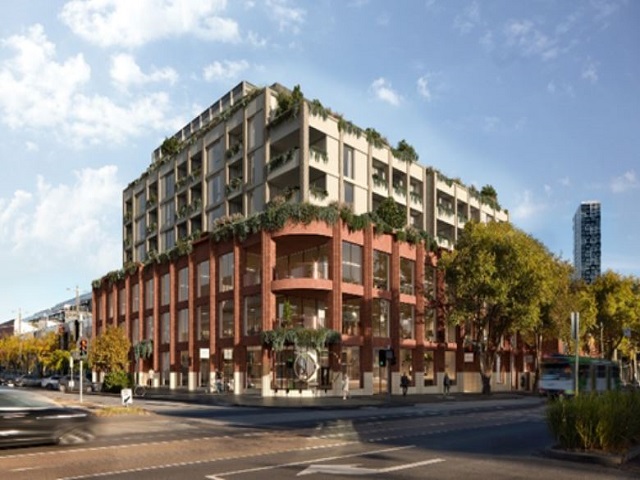
Authenticity plays a critical role in this process. Developments that respond meaningfully to place, drawing on local materials, histories and urban rhythms, build trust with both councils and communities. Emerald Place in South Melbourne exemplifies this approach. Referencing the layered character of historic corner pubs through polychromatic brickwork, tiled detailing and dual street entries, the project creates a site-specific response that feels embedded in its context. This clarity translated into planning approval within four months, despite exceeding height controls.
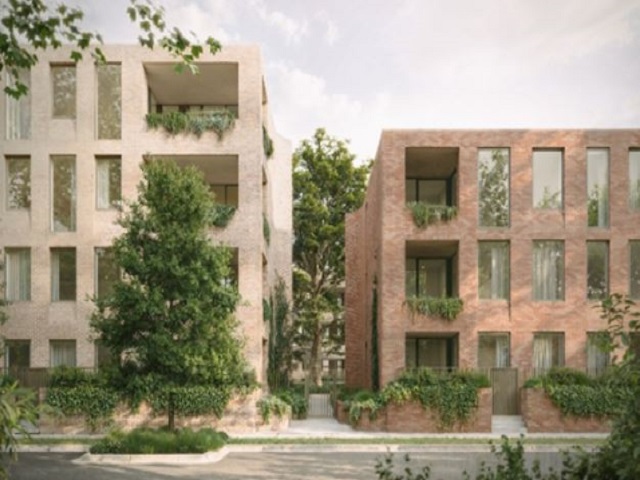
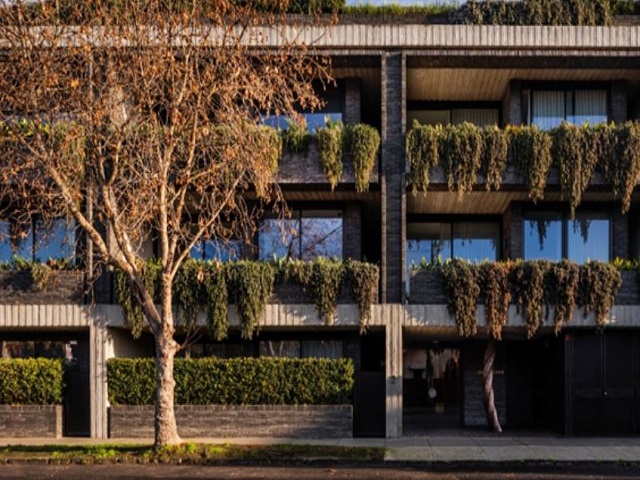
Longevity is equally influential. Projects such as Elwood House and Piccolo House on Gore Street demonstrate how restrained material palettes, durable construction and careful detailing create buildings that age with dignity. In an era of cost-cutting and substituted finishes, this commitment to enduring quality signals credibility to planning authorities and buyers alike.
Equally, successful projects prioritise landscape as an integral component rather than an afterthought. At Elsternwick Gardens, architecture recedes to allow a network of green spaces to define the experience, while Piccolo House on Barry Street uses deep soil planting, canopy trees and carefully positioned pavilions to create a dialogue between built form and environment. These approaches foster a sense of place that resonates beyond the architecture itself.
Underpinning all of this is early and genuine collaboration. Engagement with councils, heritage bodies and local communities establishes trust and informs better outcomes. From reinstating a locally valued mural at Hampton Hill to early consultation with the National Trust at Elsternwick Gardens, these conversations shape projects that feel considered rather than imposed.
Ultimately, planning success is not achieved through compliance alone. It emerges from a clear narrative, contextual sensitivity and a willingness to listen. As Sá highlights, when authenticity, longevity and community are prioritised from the beginning, projects not only move more efficiently through planning, but create enduring value for cities and the people who inhabit them.


VELUX Australia & New Zealand has launched the VELUX Walk-On Skylight, a new daylighting solution designed to help ...
Australia’s new home market is showing signs of a sharper slowdown, with sales falling for a fourth consecutive ...
When Modum Atelier outgrew its office at Shanghai’s Guochuang Park, the architecture practice chose not to start again. ...

Stockland has secured approval for a 478-home apartment development on the former Jetstar headquarters in Melbourne’s Collingwood, marking ...