UNSW Health Translation Hub connects research and healthcare precinct
The new UNSW Health Translation Hub has opened as a landmark research and education facility designed to connect academia, clinical practice and the wider community within Randwick Health and Innovation Precinct in Sydney.
Developed for University of New South Wales, the 14-storey building bridges the university’s Kensington campus with neighbouring hospitals and research institutions.
GALLERY
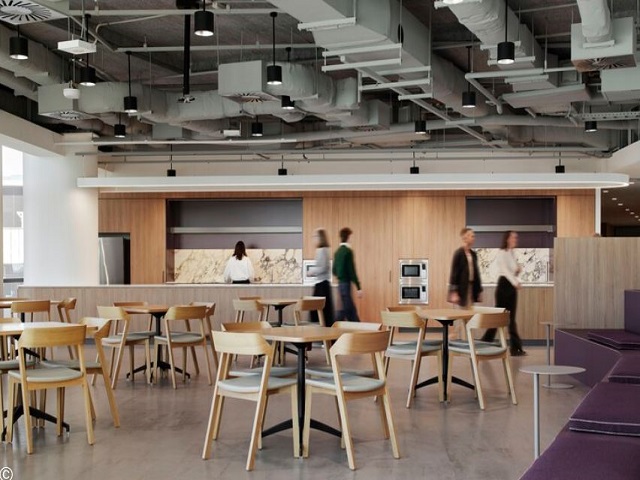
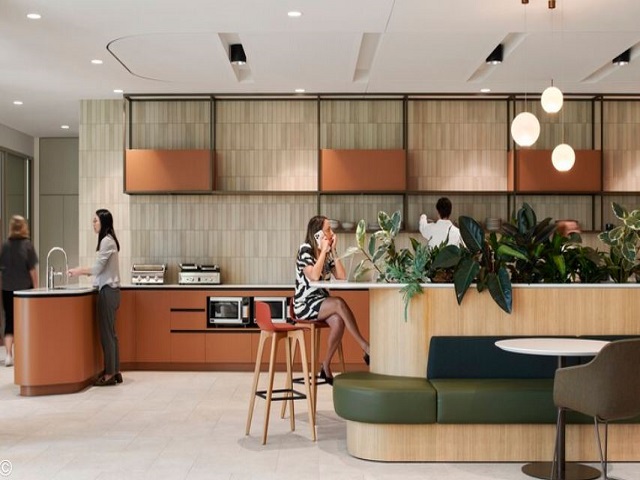
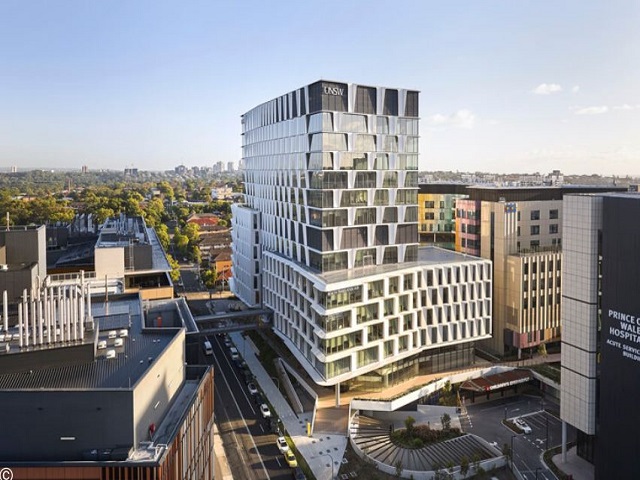
Conceived as a platform for collaboration, the hub brings together education, medical research and healthcare services to accelerate the translation of discoveries from laboratory to patient care and back again.
Strategically positioned at the intersection of High and Botany Streets, the building forms both a physical and symbolic link between the campus and the surrounding health precinct. Its open ground plane encourages public movement through the site, creating pedestrian connections that tie into surrounding transport routes and nearby health and education facilities. Two glazed pedestrian bridges extend this connectivity, linking the hub to the Wallace Wurth Building on the campus side and to Sydney Children’s Hospital and the Minderoo Children’s Comprehensive Cancer Centre within the hospital precinct.
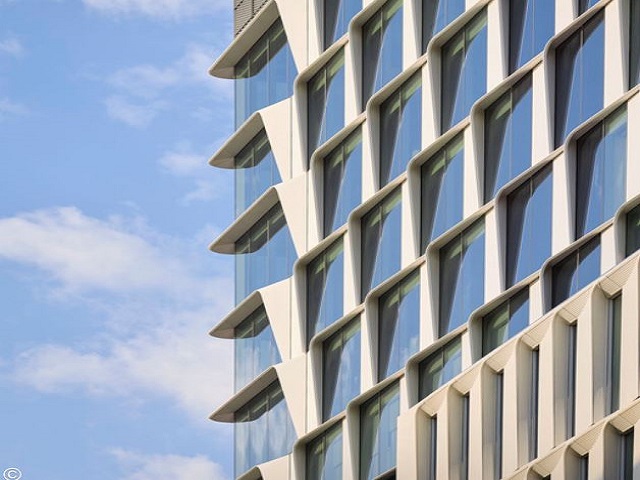
Architecturally, the tower expresses lightness and movement through a sculptural façade inspired by the wind-shaped dunes of Sydney’s eastern coastline. The envelope combines glass reinforced concrete panels, curved aluminium sunshades and high-performance glazing, creating a layered system that reduces solar radiation by around 60 per cent while maintaining transparency and views. Projecting hoods, insulated panels and double glazing provide additional solar control while softening the perceived scale of the tower.
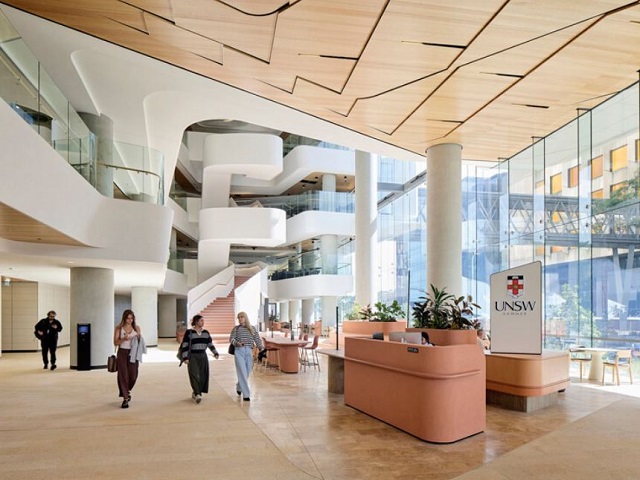
At the centre of the building, a multi-level atrium forms the social heart of the hub. This light-filled vertical space visually connects the four podium levels through a cascading feature stair and generous circulation areas designed to encourage interaction among academics, clinicians, researchers and students. Interior materials and forms reference coastal landforms, with seating, planting and circulation elements integrated into the architecture to guide movement and create informal meeting areas.
The public realm surrounding the building was developed with Yerrabingin and Aspect Studios, drawing on Indigenous interpretations of place and ecology. Sandstone terraces, endemic planting and outdoor gathering spaces reference the historic sand dunes that once defined the landscape between Botany Bay and Sydney Harbour, while acknowledging the cultural knowledge of the Bidjigal and Gadigal peoples.
Environmental performance was developed in collaboration with Atelier Ten and aligns with the university’s climate action commitments. The fully electrified building operates on 100 per cent renewable energy and incorporates rooftop solar generation, achieving a 6 Star Green Star rating while reducing carbon emissions and energy use by approximately 20 per cent compared with reference benchmarks.
Images by Hufton Crow via ArchDaily


A former residential garage in has been transformed into a contemplative matcha café, with Jun Matcha Club offering ...
DOMA Group has been selected to deliver Newcastle Quay, a $1.6 billion mixed-use waterfront precinct that will mark ...
Federal Government tax reforms have overtaken interest rates as the most widely cited downward pressure on Australian residential ...