Designing for Longevity: 2026 Interior Trends
Considered design choices that are shaping interiors Homes continue to have a significant impact in our daily lives, with our surroundings playing a powerful role in shaping mood, stress levels, and overall health.
GALLERY
In 2026, interior design reflects this, favouring warmer, more expressive spaces that prioritise wellness, authenticity, and personal connection.
As more homeowners choose to renovate rather than relocate, design decisions are increasingly focused on longevity and liveability. In response, minimalist design is evolving into ‘warm’ minimalism, emphasising softer palettes and layered textures over stark simplicity to create interiors that feel calmer, more functional and character filled.
“While creating a sanctuary at home is still key, the way we shape our homes is evolving, with homeowners prioritising spaces that feel warmer, more personal and better aligned with long-term living, says Renee McGinty, General Manager Marketing, CSR. “This shift is reflected in the finishes homeowners are choosing, with a growing focus on materials that feel restorative and grounding.”
“2026 is also about investing wisely in the home, making changes that are sustainable and can last the distance, rather than becoming outdated quickly.”
From simple updates to more substantial renovations, CSR examines the key architectural and interior design choices shaping homes in 2026.
Materially Rich Walls
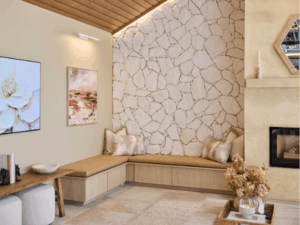
Walls are becoming a central canvas for expression, offering the ideal backdrop for art, design, and architectural details that add depth, warmth, and personality to a space. “A smooth, expertly finished plasterboard wall can serve as the foundation for textural features, integrated niches, or subtle zoning, introducing architectural interest while enhancing everyday living,” McGinty says.
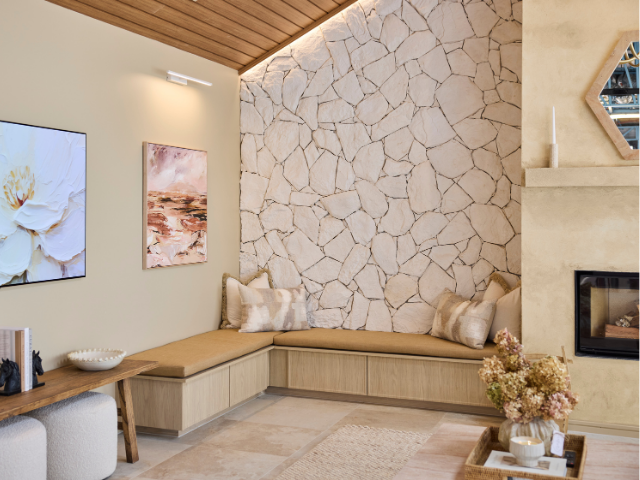
Materially rich walls such as natural stone or raw timber introduce texture, weight and authenticity.
“Natural materials immediately bring us closer to nature,” says McGinty. “Evoking the wabi-sabi aesthetic they bring variation, imperfection and warmth, characteristics that are increasingly valued in homes designed for long-term living.”
A cosy, stone clad feature wall using PGH Stone Whitehaven from the Natural Fieldstone Collection brings a layered, textural quality, working in harmony with a soft, neutral palette and pared back finishes to help create calm, grounded interiors.
Functionality and Comfort
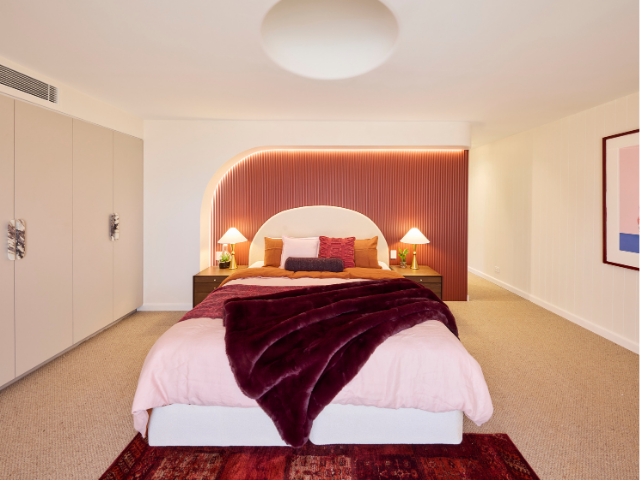
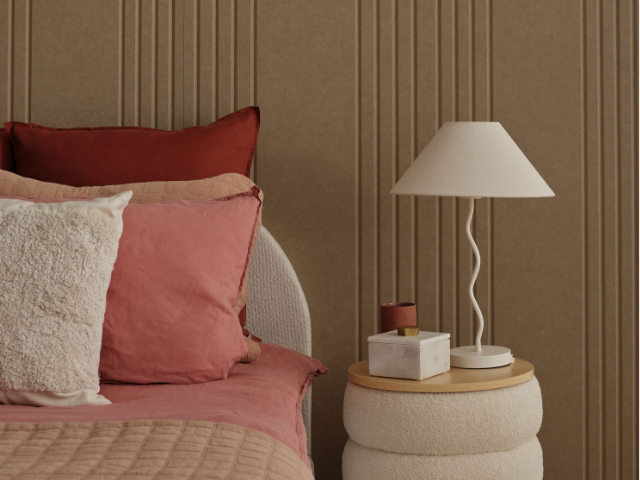
Intimate, cocooning spaces are increasingly sought after in 2026. Richer, warmer colour palettes paired with textured wall treatments are being used to soften interiors and add depth while reducing sound reverberations in the home.
Acoustic wall panels are emerging as part of this shift, valued not only for their performance but for the way they introduce texture and architectural interest to walls across living rooms, bedrooms, offices and media zones.
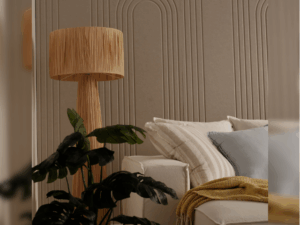
“As interiors move toward warmer, more emotive spaces we’re seeing greater emphasis on texture and materiality on our walls,” explains McGinty. “Acoustic wall panelling allows homeowners and designers to add depth and tactility while also creating calmer, more comfortable environments that support the way people live today.”
Pair moody colour washes with textured wall treatments such as Soundstyle™ by CSR Woven Image for a cosy, luxury feel.
Architectural Detail
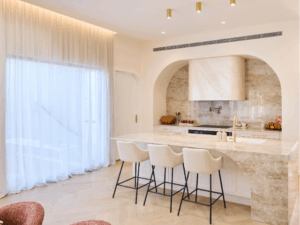
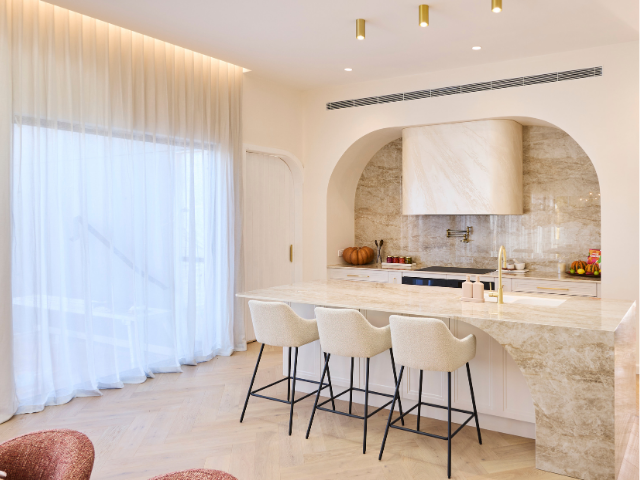
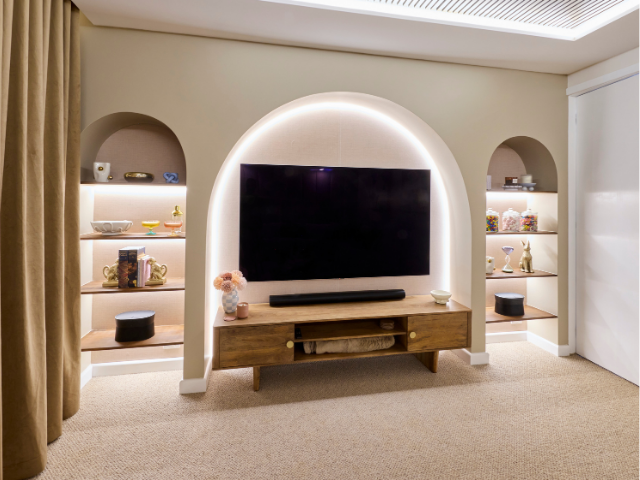
Softly curved wall niches are emerging as an impactful architectural feature. Created using Gyprock’s premium Flexible plasterboard, niches are an accessible way to elevate walls, transforming them from a simple backdrop into an integral part of the design story.
“Architectural details like curved wall niches allow walls to take on a more expressive role within the home,” says McGinty. “Using Gyprock Flexible to introduce subtle curves and recessed forms creates a timeless look for an achievable investment.”
Cornices are also seeing renewed interest as part of the move toward subtle detailing. Rather than being purely functional, contemporary cornice profiles such as the Gyprock Canto or Symphony cornices, can help soften transitions between walls and ceilings, providing a finished, cohesive look that enhances an overall sense of balance within a space.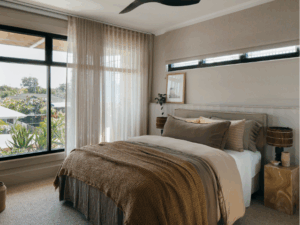
Light Filled Homes
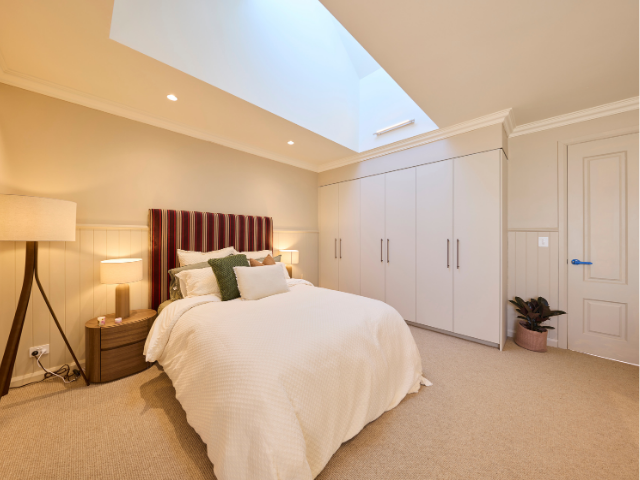
Harnessing natural light in the home helps our mood, sleep and overall wellbeing and skylights are becoming an increasingly popular way to introduce its benefits into everyday spaces.
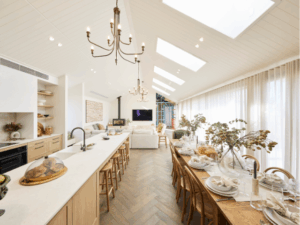
“Natural light has a profound impact on the way a space feels,” says McGinty. “Skylights brighten darker areas, add visual interest, and create a softer, more ambient glow that brings the outdoors in.”
As the light shifts throughout the day, it can enhance design features, cast subtle shadow lines, and highlight architectural details. In kitchens, skylights are especially effective, flooding the heart of the home with light and making the space feel larger and more inviting.
Choosing a premium plasterboard such as Gyprock Plus ensures walls are smooth and clean, reducing glare and helping light to distribute evenly. This allows materials like timber, stone, and furnishings to add warmth and texture while maintaining a sense of balance and calm throughout the room.
For more information visit CSR Dwelling!


When Modum Atelier outgrew its office at Shanghai’s Guochuang Park, the architecture practice chose not to start again. ...
Swiss architect Kristijan Markoc has created a deliberately modest two-bedroom timber home designed to be adapted to different ...

British studio Richard Parr Associates has restored a trio of 19th-century buildings at The Newt in Somerset, creating ...
What if a fashion brand could express its identity through space without relying on logos, lavish materials or ...
When FJCStudio set out to transform the Cutaway beneath Barangaroo Reserve into a new cultural venue, the design ...