Office vacancy remains elevated across Australian CBDs
Australia’s CBD office markets are navigating an uneven recovery as vacancy rates remain elevated and tenants continue to reshape workplace requirements, according to the latest Office Market Update from Charter Keck Cramer.
The report, which examined conditions during the second half of 2025, found demand patterns shifting as organisations consolidate office footprints, adopt hybrid work models and increasingly prioritise newer, higher-quality buildings.
GALLERY
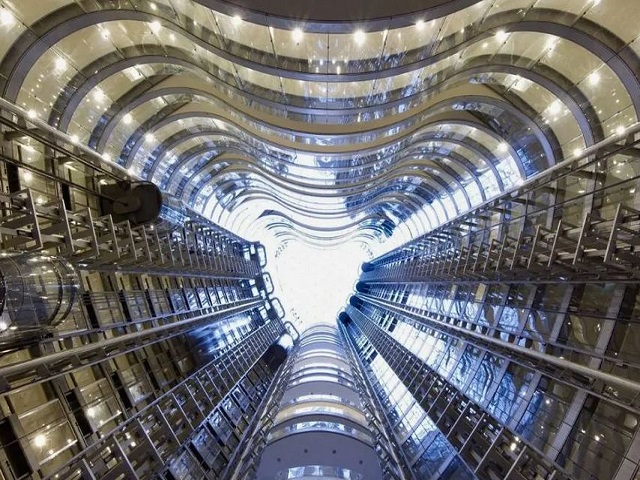
This transition has widened the divide between premium office assets and older secondary stock, with the latter facing greater difficulty retaining tenants and maintaining pricing power.
Investment activity also remained subdued. Higher borrowing costs and softer yields continued to weigh on both buyers and sellers, slowing transaction volumes across major CBD markets. Despite this cautious environment, the report noted early signs of stabilisation in several cities, although recovery is expected to unfold gradually rather than rapidly.
In Sydney, CBD vacancy remains more than double its pre-pandemic level. Premium buildings have absorbed much of the leasing demand as tenants continue to upgrade into offices offering stronger amenity, sustainability credentials and transport connectivity. Older secondary buildings, however, face ongoing pressure as businesses consolidate and reduce space requirements. Face rents have largely held steady, though incentives remain elevated, particularly among ageing stock. Major infrastructure investments, including new metro links, are expected to strengthen long-term demand, yet the gap between prime and secondary assets continues to widen.
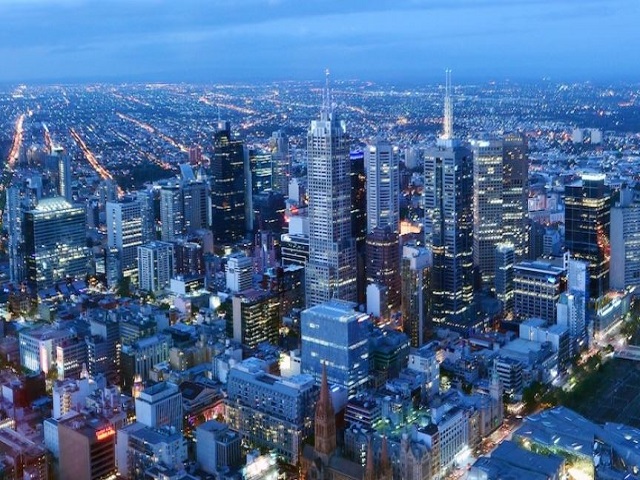
Conditions are more challenging in Melbourne, which the report identifies as the country’s most pressured CBD office market. Vacancy remains well above the city’s long-term average, reflecting deeply embedded hybrid work practices and subdued leasing activity. Premium and A-grade buildings have begun to show modest improvements in occupancy and rental stability, but incentives remain high across much of the CBD. Improved connectivity from the Metro Tunnel is expected to support several inner-city precincts, and narrowing buyer and seller expectations may prompt more transactions later in 2025. Even so, Melbourne’s recovery is likely to be prolonged, particularly for older office stock.
By contrast, Brisbane continues to outperform other capitals. CBD vacancy has fallen below pre-pandemic levels and sits well under the long-term average. Leasing demand has strengthened, particularly for premium and A-grade buildings, while face rents have edged upward amid rising construction and fit-out costs. Much of the new office supply scheduled for completion in 2025 is already pre-committed, signalling confidence among occupiers.
Nationally, the sector remains in transition. Premium buildings are best positioned to withstand vacancy and rental pressures, while lower-quality stock faces accelerated obsolescence without significant upgrades. Charter Keck Cramer expects recovery momentum to build slowly, with more meaningful improvement likely to occur over several years.
Images via The Urban Developer



Everyday errands and meals become opportunities to pause, gather and connect at the Luhu residential community, where XU ...
MA Financial has acquired a 50 per cent stake in The Glen shopping centre in Melbourne’s south-east from ...
In Wilcannia, a new cultural centre is doing more than providing space for art, language and community gatherings. ...