A new benchmark for Sydney’s corporate architecture
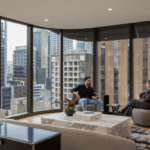
In the core of Sydney’s CBD a new corporate building has emerged. Situated directly above the new Martin Place metro station, this new build acts as a bridge between connecting transport, office and city life for all Sydney commuters.
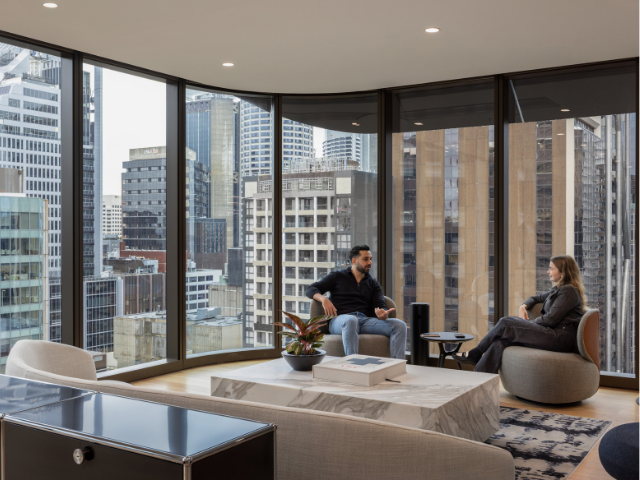
GALLERY
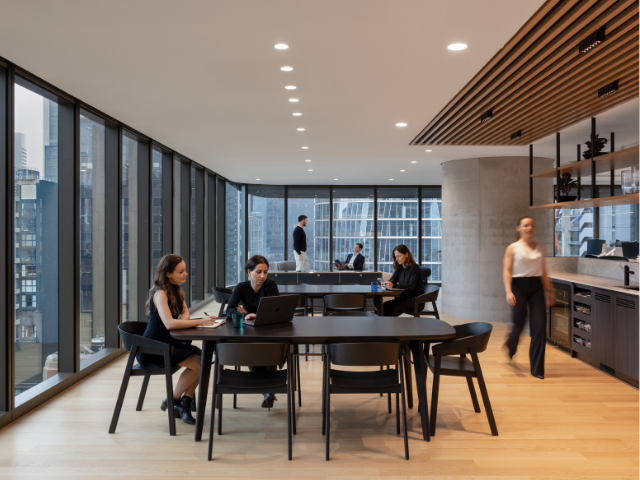
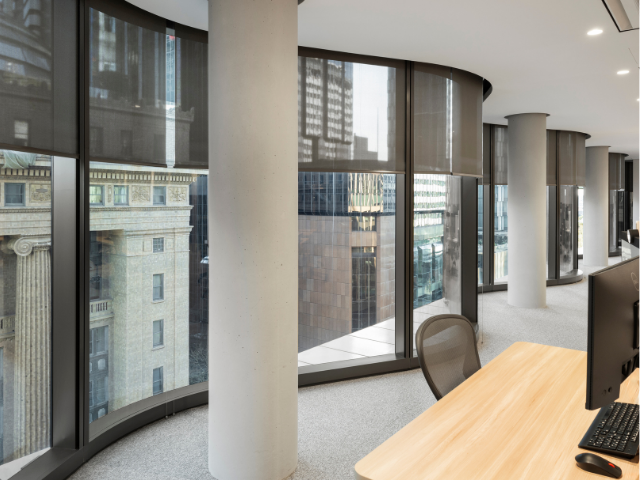
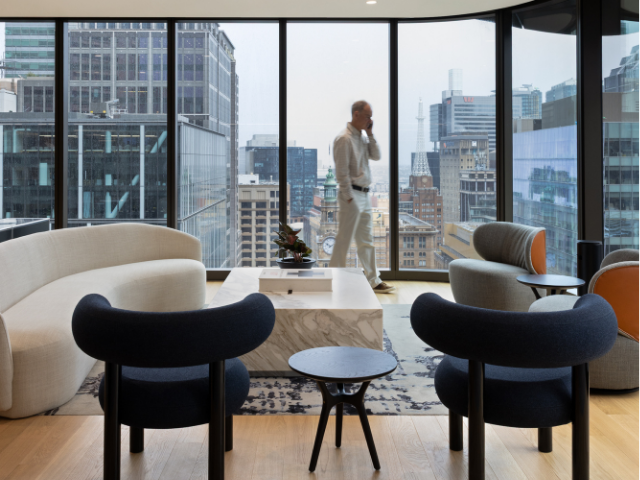
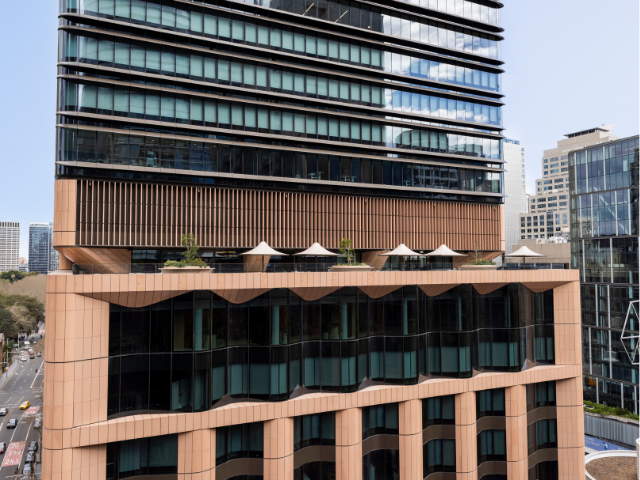
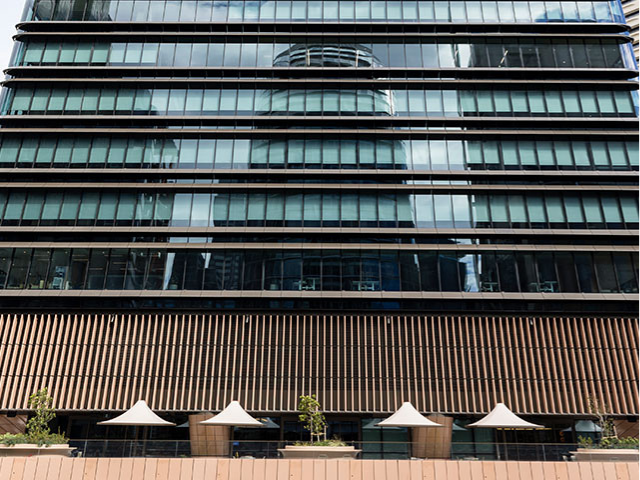
The tower sets a new benchmark for urban integration while responding its historically significant setting through a careful balance of scale, rhythm, and materiality defined by its urban setting. For Alexander Hespe, sustainable design consultant at Arup, the project was a lesson in managing complexity on multiple fronts. “39 Martin Place is possibly one of the most complex buildings that I have been involved in,” he says. “There were lots of constraints imposed upon the design being built over a working subway system. The structure of the building has to do all kinds of gymnastics to create the space that is being utilised.”
The building’s unique structural positioning proposed a range of challenges which required strategic engineering to address these corners and to find balance the dual-orientation facades. Hespe explains, “Because of the geometry of the building, at the corners we have to deal with effectively double the amount of facade load, because you’ve got an east-facing facade and a north-facing facade attached to one piece of floor plate. The facade performance in these areas is really important to ge tright.” Sustainability guided the design from the start, with the building fully powered by renewable energy and achieving a 6‑star Green Star rating.
Peter Skinner, director of Shade Factor, notes that the tower’s silhouette reflects its historic context while creating a modern office environment. “The south tower consists of a podium and a more transparent office tower above, which is set back from the street. Providing a deck on level nine, the podium aligns with the scale of the heritage buildings in Martin Place to provide continuity and preserve the scale of the streetscape.”
This careful proportioning allows the building to be seamlessly integrated within Martin Place at street level while the upper floors enjoy light, openness and city views.
Selecting Sun Shading
Integrating sun shading was vital to the project’s performance, ensuring a balance between natural light, thermal regulation, and user experience. Skinner outlines the approach: “The blind system in the south tower is a roller blind system with a very highly reflective fabric in order to manage the solar loads on the facade. The fabric is a light filtering fabric to introduce daylight into the spaces when the blinds are down. The blinds are powered by super quiet motors to provide a harmonious and quiet working space for the tenants.”
The system is fully automated, reacting intelligently to the sun’s movement and the shadows cast by surrounding buildings.
“The control system uses the KNX protocol; an international standard for building automation,” says Skinner. “Sourced, from leading German manufacturer, Warema, the control system geolocates the building and follows the path of the sun through the day, retracting the blinds when the facade is no longer sun exposed.
“It also includes a 3D model that retracts the blinds when they fall into the shadow of the adjoining buildings. It measures the sun intensity at any moment in time, lowering the blinds in increments to shade the work space from direct sun but still allowing daylight.”
By integrating shading into the architecture, Shade Factor created a system that is both functional andsubtle, providing comfortable, well-lit spaces while remaining concealed when retracted.
Reflecting on the project as a whole, Skinner concludes, “The whole Martin Place Metro Development isa very complex project and we are delighted to be part of the team that has delivered this iconic project.”
The project highlights the power of responsive technology and smart material choices. At 39 Martin Place, the automated shading doesn’t just lower energy use; it actively creates a more productive and comfortable interior environment.
PROJECTS CREDITS:
Architect: Tzannes
Builder: Lendlease
Sustainability Consultant: Arup
Building Owner: Investa
Videography: Justin Brickle
Photography: Justin Brickle and Rusty Crawshaw
SHADE FACTOR PRODUCTS WITHIN THE PROJECT:


A Passivehaus school extension project in Ballarat has achieved 0.77 ACH50 at the final blower door test and ...
Anyone living in sunny Queensland knows just how damaging UV rays can be on a building exterior and ...
When installing windows, exterior doors and facades, thermal insulation, moisture protection (condensation, driving rain), and sound insulation have ...
In the core of Sydney's CBD a new corporate building has emerged. Situated directly above the new Martin ...