How Solar Glass Is Bringing Energy Generation into Sydney’s Skyline
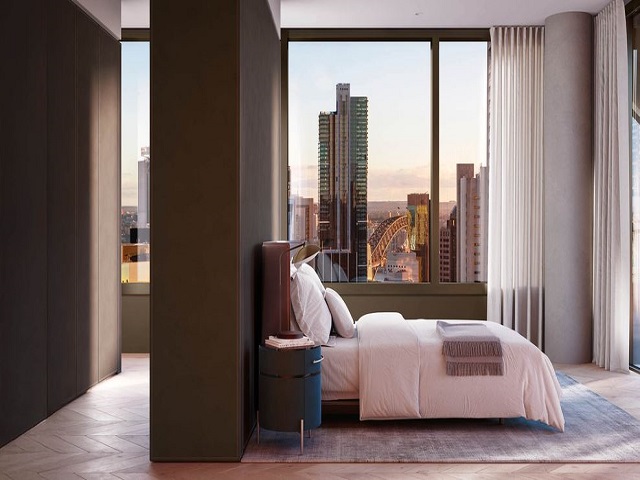
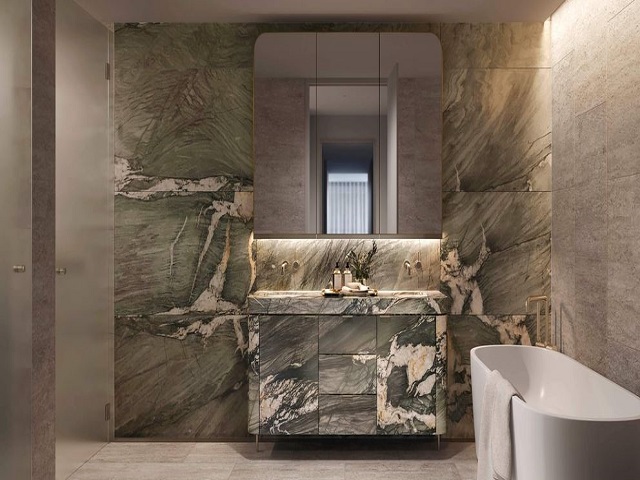
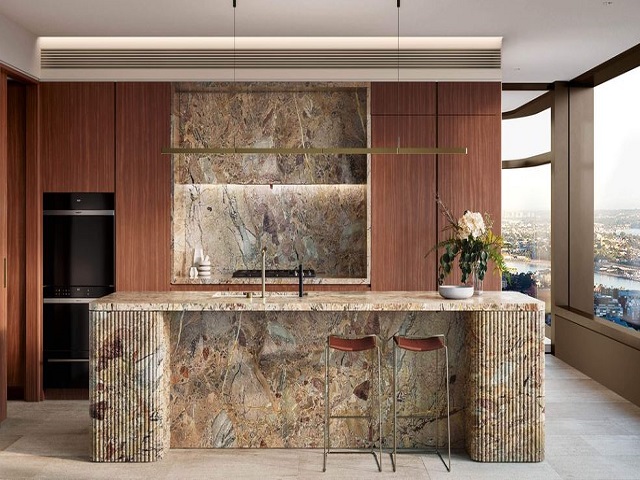
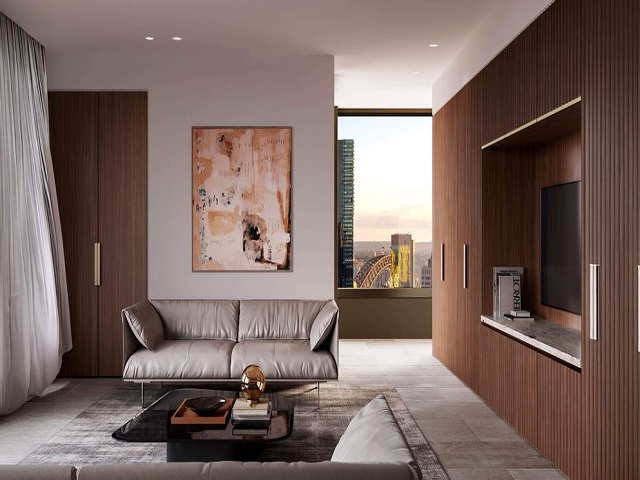
At Sydney House, the redevelopment of the historic City Tattersalls Club in central Sydney, specialist photovoltaic glass is being integrated into the rooftop design to generate electricity while maintaining the appearance of a conventional architectural finish.
Designed by BVN and FJC Studio, the project brings together the restoration of the heritage-listed club buildings with a new 50-storey hotel and residential tower.
GALLERY
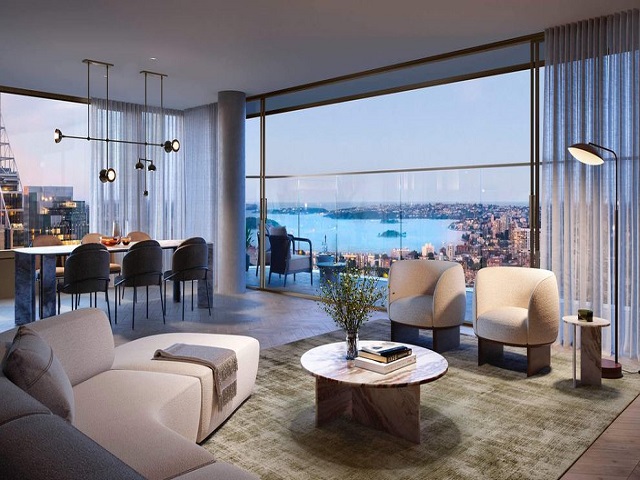
Among its more unusual specification decisions is the inclusion of building-integrated photovoltaics (BIPV), supplied by Australian technology company ClearVue Technologies.
The installation will cover approximately 350 square metres of the rooftop between levels 44 and 50, using the company’s pure-black solar feature glass. The system has a capacity of 45.6 kilowatts peak (kWp), allowing the glazed surface to contribute to on-site electricity generation without relying on conventional rooftop solar panels.
Unlike standard photovoltaic panels mounted above a roof or façade, BIPV technology incorporates electricity-generating components into the building material itself. This allows elements such as glazing, skylights and façade panels to perform an additional energy-generating function while retaining their architectural role.
For Sydney House, the visual integration was an important consideration. The solar glass needed to sit comfortably alongside non-photovoltaic materials within a prominent rooftop design, rather than appearing as an additional piece of energy infrastructure. ClearVue was engaged by SRG Global, working through head contractor Richard Crookes Constructions, to supply the specialised glazing.
The system is intended to support the project’s ambition to achieve a 6 Star NABERS Energy rating, while contributing to the City of Sydney’s broader net-zero objectives. Its contribution forms part of a wider building strategy, rather than delivering those outcomes independently.
The specification also highlights an expanding role for architectural glass. Traditionally, glazing decisions have balanced transparency, solar control, thermal performance, appearance and compliance. Building-integrated photovoltaics add another consideration: the potential for the building envelope to generate electricity as well as regulate the internal environment.
For architects, façade consultants and specifiers, this creates opportunities to reconsider how exposed building surfaces are used, particularly on high-rise projects where conventional roof space for solar panels can be limited. It also introduces new questions around electrical integration, system performance, maintenance, replacement and coordination with the wider façade package.
As solar technology becomes increasingly integrated into architectural materials, Sydney House offers a glimpse of how the next generation of building envelopes may do more than protect and define a building. They may also help power it.
Images via Richard Crookes



A newly opened ryokan in Japan’s Hakone region is bringing the spatial traditions of Kyoto’s historic townhouses into ...

Brisbane’s oldest surviving CBD pub is set to gain a 51-storey neighbour, with plans for a luxury hotel ...

More than 4,000 potential new homes across New South Wales have moved another step through the planning system, ...