Waterstruck Clinker Bricks: Traditional Craft, Made to Order
Most bricks made today are extruded — pushed through a die in a continuous ribbon and cut to length, which is fast, consistent, and cheap, but it produces a face that’s uniformly flat and uniformly predictable. Waterstruck clinker bricks are made the opposite way: one mould at a time.
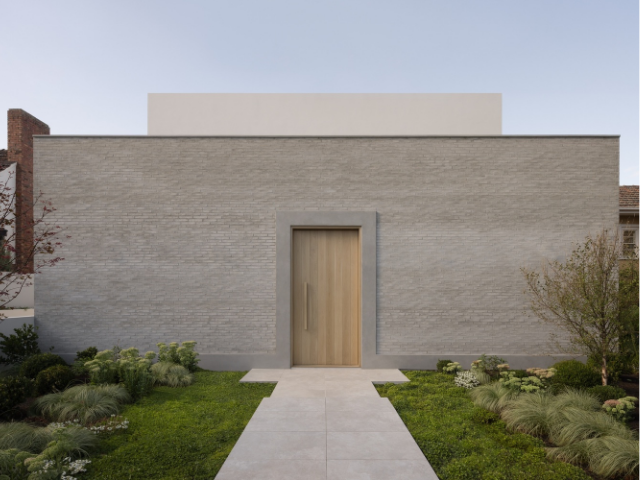
GALLERY
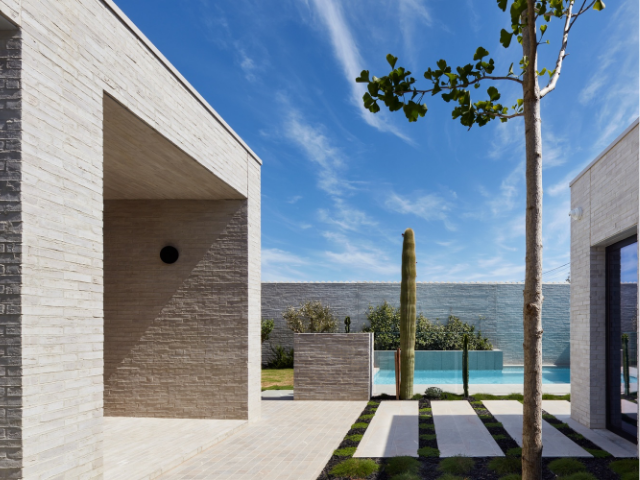
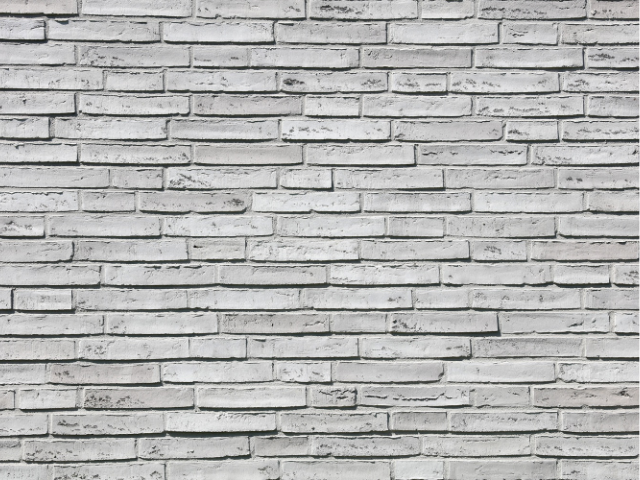
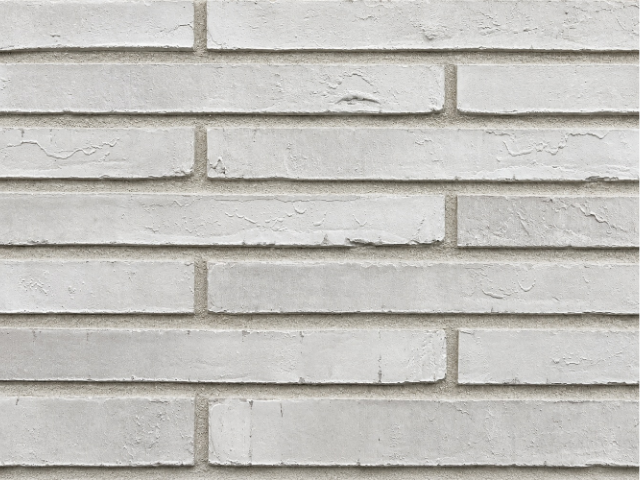
The result is a brick with genuine depth of character — no two faces identical, every batch carrying the subtle variation that only comes from a process people gave up in favour of speed decades ago.
What Makes a Brick “Waterstruck”?
The waterstruck method is one of the oldest brickmaking techniques still in use. Rather than being extruded through a die, each brick is formed individually in its own mould. Before the clay goes in, the mould is wetted — hence “waterstruck” — which stops the clay sticking to the timber or steel sides and lets it release cleanly once formed. The clay is then pressed into the mould under pressure, taking on the exact shape of the mould cavity while the wet surface picks up every grain, fold, and imperfection of the mould itself.
That single step — individual moulding rather than continuous extrusion — is what gives waterstruck bricks their character. Where an extruded brick has a flat, mechanically smooth face, a waterstruck brick has a soft, slightly creased texture with natural undulations across the surface. Combined with clinker firing — the higher, harder-fired end of the brick spectrum, known for its dense body and deep, sometimes near-vitrified colour tones — you get a brick that reads as genuinely old, genuinely made, in a way mass-produced units simply can’t replicate.
Why Clinker Firing Matters
“Clinker” refers to bricks fired at the top end of the kiln temperature range, often positioned closest to the firebox in traditional kilns where the heat is most intense. This higher firing drives the clay closer to vitrification, producing a denser, harder brick with lower water absorption and greater durability than a standard-fired unit. It also produces the deep, sometimes almost glassy colour variation clinker bricks are known for — dark plums, near-blacks, bronzes, and burnt tones that shift subtly from brick to brick and even face to face on the same brick.
Paired with the waterstruck texture, the result is a brick with genuine depth and character — the kind of finish that comes from traditional craft, made and fired specifically for your project.
Bespoke, Made to Order
Every waterstruck clinker brick we produce is made to order rather than pulled from generic stock. That means the colour blend, the texture intensity, and the exact specification of a run can be tailored to a specific project rather than a project having to work around whatever’s available off the shelf. If you’re matching the textural finish and colour range for a new design, that’s the kind of brief this process is built for.
Sizes and Formats
Many different formats are available including our best selling long, slim 290 × 90 × 52mm and 290 × 90 × 40mm bricks, and we can now also offer an extra-long slim option in 490 × 90 × 52mm and 490 × 90 × 40mm.
Beyond these standard sizes, we also produce a range of alternative profiles and custom shapes on request. If your project requires curved brick or special shapes, our bespoke production process means we can develop it — the same individual-mould, water-struck method applied to whatever format the design requires.
The Bottom Line
Waterstruck clinker bricks exist for projects where “brick” needs to mean more than a uniform, mass-produced unit — where texture, colour depth, and genuine handmade character are part of the brief. Made individually, fired hard, and produced bespoke to order in traditional European sizes — 290 × 90 × 52mm, 290 × 90 × 40mm, and the extra-long 490 × 90 × 52mm and 490 × 90 × 40mm — plus custom profiles and sizes on request, this is brickmaking done the way it was done before speed became the priority.
Get in touch with us and we’ll talk through colour blend, texture, format, and lead time for a bespoke run.



At Riva Ceramica, we believe exceptional spaces begin with exceptional materials. With 20 years of industry experience, we've ...

A 1ha section of surface car parking at Salisbury Downs' Hollywood Plaza could make way for a new ...
The first building in a new city carries an unusual responsibility. It has to meet an immediate need ...
In a town where summer temperatures can approach 50 degrees Celsius and the nearest neighbouring town is around ...
MA Financial has acquired a 50 per cent stake in The Glen shopping centre in Melbourne’s south-east from ...