Modular Design Drives UQ’s Research Hub
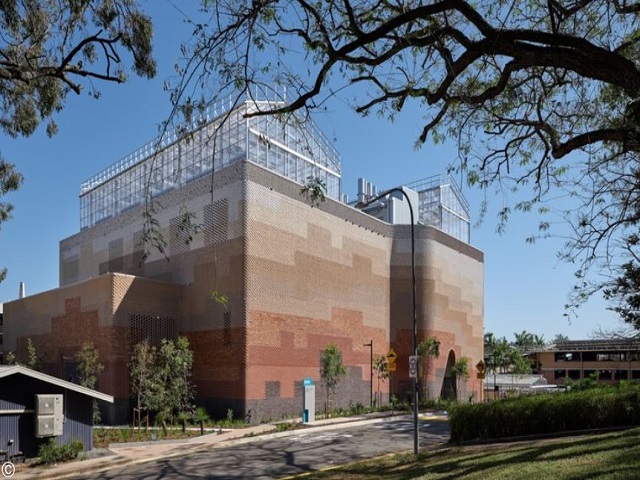
In response to the growing pressures of climate change and population growth, the University of Queensland’s new Plant Futures Facility has been designed to support world-class research into sustainable food, fibre, and fuel production.
GALLERY
Defined as a “walled garden,” the facility’s concept draws from its context and purpose, combining technical sophistication with architectural sensitivity.
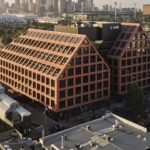
Crafted from brick in a pixilated pattern referencing Queensland’s geological cross-section, the façade shifts in perception depending on proximity. From afar, it reads as a stone wall, while up close, it reveals intricate detail and craftsmanship. This material approach allows the building to integrate seamlessly into its mixed-scale surroundings, bridging the University’s larger service buildings with nearby residential structures.
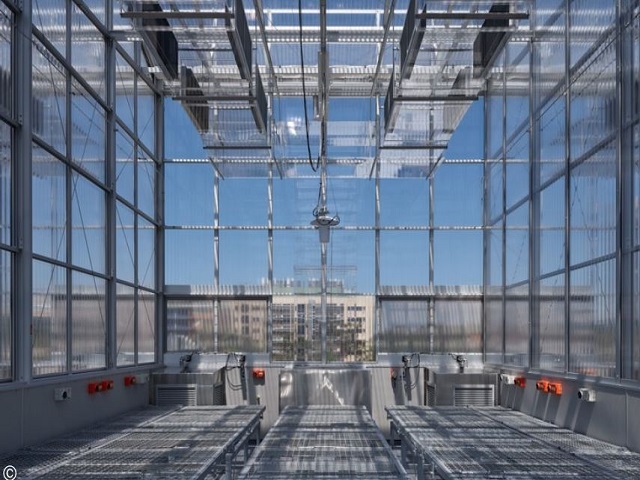
Functionally, the Plant Futures Facility acts as both a “hotel for plants” and a container for research. Scientists can book controlled environment rooms, reach-in cabinets, and rooftop glasshouses to replicate precise environmental conditions with measurable accuracy. These modular grow rooms are designed for efficiency and adaptability, built up from the size of a single grow pot. Service spaces are located directly above the research areas, ensuring cleanliness and containment while allowing for future expansion.
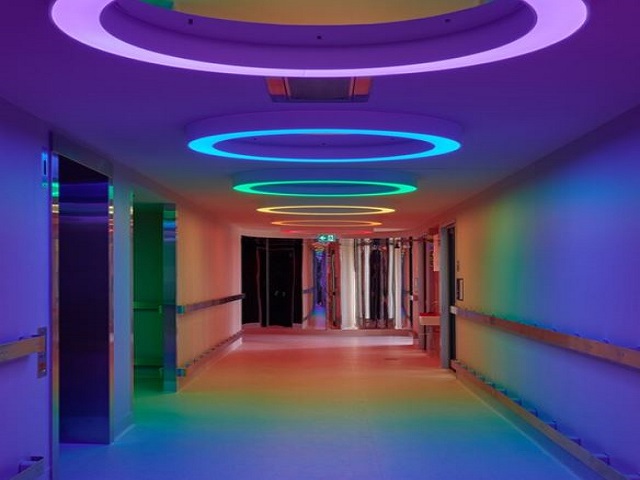
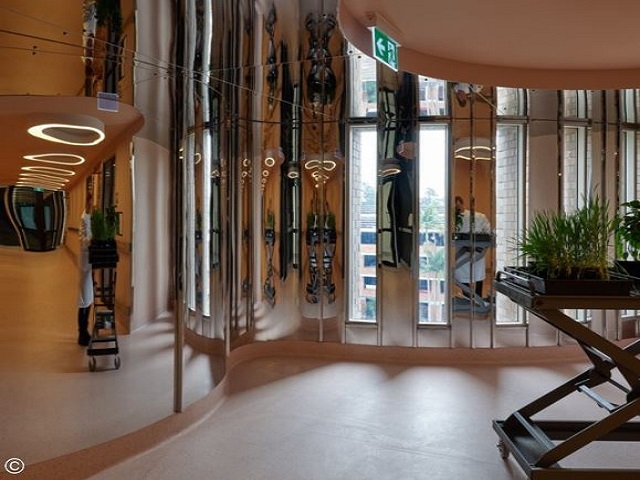
Internally, light and colour interplay with mirrored panels, subtly distorting perception and creating a dynamic experience that reflects the environmental controls of the grow rooms. This combination of performance and perception makes the building both a cutting-edge research tool and a contextual architectural statement.
Sustainability underpins every design decision. The compact, modular layout minimises material waste, while insulated panels and lightweight materials reduce embodied carbon. With minimal human occupancy, operational energy demand is kept low. Beyond its technical achievements, the project integrates a First Nations interpretive landscape developed alongside UQ’s “Campuses on Countries: Aboriginal and Torres Strait Islander Design Framework,” embedding Indigenous knowledge systems into the campus fabric.
By fostering agricultural innovation that requires less water and thrives across diverse soil and climate conditions, the Plant Futures Facility delivers tangible solutions to one of the planet’s most pressing challenges: sustainable food security for the future.
Images by Christopher Frederick Jones via ArchDaily


Creating a workplace that encourages collaboration while still supporting concentration and comfort was a key consideration in the ...

A new mixed-use residential tower proposed for the heart of Melbourne's Oakleigh could deliver more than 120 new ...